

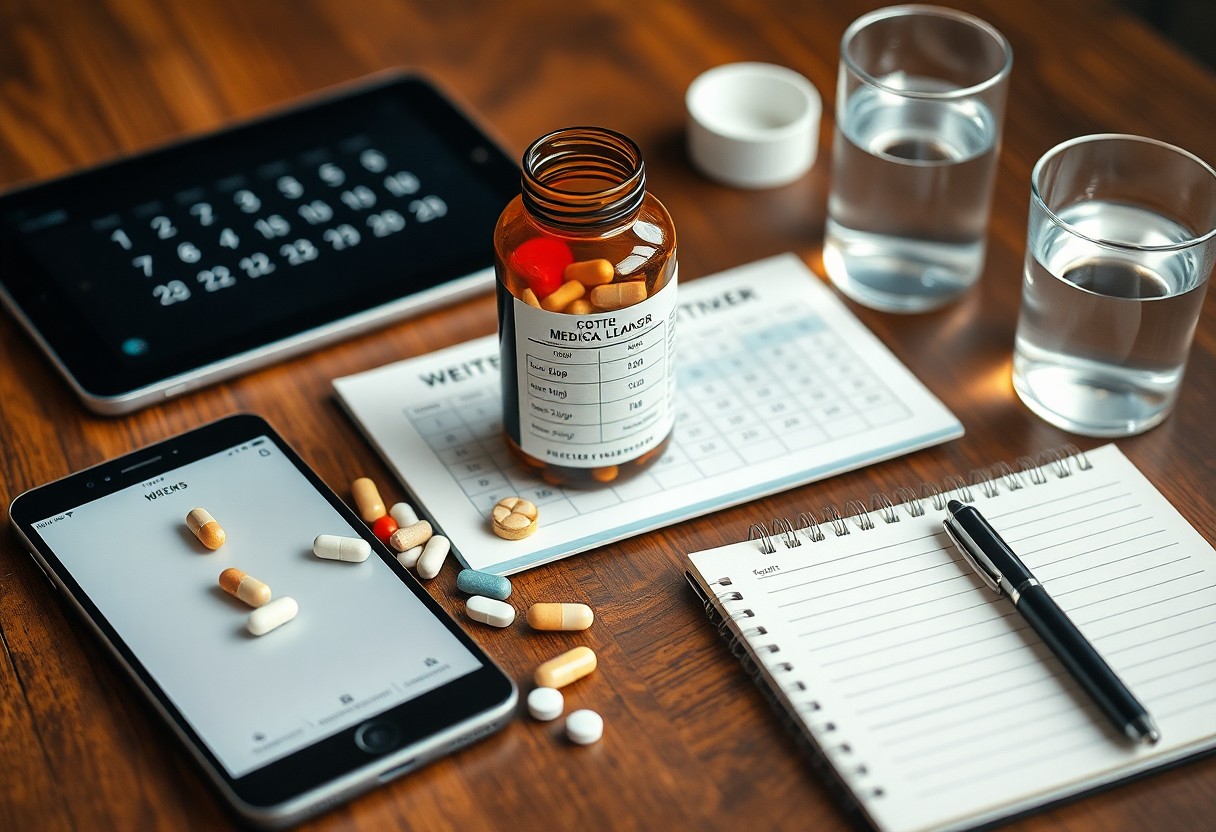
Most supplements require time or proper conditions to work, so you should first confirm dosing, adherence, and interactions; if you have concerning symptoms, stop use immediately and seek advice.
Review evidence and labels, track changes for several weeks, and consult your healthcare provider or pharmacist about testing or alternatives; if the product is ineffective, consider switching to evidence-based treatments or discontinuing use while monitoring your health.
Understanding Supplements

A supplement can help fill nutritional gaps, but you must evaluate evidence, dose, and interactions; some provide clear benefits, others offer little proof and may carry risks, so you should consult a professional and monitor your own response.
Types of Supplements
After you clarify your goals and health context, you can consider common categories below. Knowing how each works and potential interactions helps you choose safer, more effective options.
- Vitamins – single or multivitamins
- Minerals – iron, magnesium, zinc
- Herbals – botanicals like echinacea
- Amino acids – branched-chain, glutamine
- Probiotics – live microbial strains
| Vitamins | Support deficiency prevention |
| Minerals | Electrolyte and metabolic roles |
| Herbals | Variable evidence, interaction risk |
| Amino acids | Exercise and recovery uses |
| Probiotics | Gut health, strain-specific effects |
Common Claims and Misconceptions
Around marketing, you should be skeptical: bold promises and testimonials aren’t substitutes for trials, labels can overstate effects, and some products omit safety details that matter to your health.
Supplements can be helpful, but you must check quality (third-party testing), watch for adverse reactions, and verify realistic benefits with evidence to protect your well-being.
Factors Affecting Supplement Efficacy
It can take time to see benefits and several variables determine whether a supplement helps you:
- Dosage
- Quality
- Bioavailability
- Timing
- Interactions
You should evaluate these factors and consult a professional if you suspect harmful interactions or experience adverse effects. Recognizing how they combine guides whether you continue, adjust, or stop a supplement.
Dosage and Quality
Across the dosage and product quality spectrum, you may see no effect if your dose is too low or the formula contains fillers, degraded actives, or poorly absorbed forms; choose reputable brands with third-party testing to ensure potency and avoid contaminants, and adjust dosing based on your goals and clinical feedback.
Individual Variability
By your genetics, age, sex, gut microbiome, and current medications, you will respond differently than others; genetic variants and gut health can alter absorption and metabolism, and drug interactions can produce dangerous effects, so track responses and consult a clinician for personalization.
Dosage adjustments often depend on your weight, organ function, and concurrent therapies; what is effective for someone else may be ineffective or unsafe for you, so titrate slowly, monitor for side effects, and use testing or professional guidance to find the right dose.
Signs that a Supplement May Be Ineffective
Some supplements produce no noticeable benefit for you despite correct use; this may indicate poor formulation, low potency, or a mismatch with your goals. Watch for persistent symptoms, worsening conditions, or new side effects. If you suspect ineffectiveness or harm, stop use and consult a healthcare professional to reassess need, dosage, and alternatives.
Lack of Observable Changes
Supplement effects can be subtle, so if you observe no change in sleep, energy, mood, or biomarkers after an appropriate trial, track adherence, dosing, and interactions. Use objective measures (sleep logs, labs) rather than only how you feel, and discuss results with your clinician if missed doses or other factors could explain the lack of response.
Duration of Use vs. Expectations
Signs your timeline is unrealistic include expecting rapid fixes for chronic issues; many products need weeks to months before benefit appears. Beware of marketing that promises immediate transformation-those are often false promises. Align your expectations with the supplement’s mechanism and evidence base.
To evaluate duration, set a clear timeframe based on available studies (e.g., 4-12 weeks), monitor objective outcomes, and compare progress against that plan. If you see no improvement within that window or experience adverse reactions, stop use and seek an evidence-based alternative or consult a healthcare professional to review interactions, dosage, and suitability for your goals.
Steps to Take if a Supplement Shows No Benefits
Your first step is to pause use and assess objectively: track symptoms, duration, dosage, and any side effects; compare outcomes to the supplement’s scientific support. If you experience severe reactions, stop immediately and seek care. If no benefit appears, consider reallocating resources to proven treatments, adjust lifestyle factors, or consult a professional to avoid wasted expense and potential harm.
Reassessing Your Goals
Any time you try a supplement you should revisit what you wanted it to do: define measurable outcomes, realistic timelines, and how it fits with your diet and meds. Track progress with objective markers and decide if the modest benefit you hoped for is achievable or if lifestyle changes offer a better return.
Consulting a Healthcare Professional
Around discussing supplements with your clinician, bring product labels, dosing, and symptom logs; ask about interactions with your prescriptions and medical conditions, and request evidence-based alternatives or tests. If you notice dangerous interactions or new concerning symptoms, stop the supplement and seek immediate advice.
Also, involve a pharmacist or specialist if your clinician lacks supplement expertise; ask for a review of possible drug-supplement interactions, allergy risk, and appropriate monitoring such as labs or scheduled check-ins. Be prepared to discontinue the product if tests show harm and to pursue evidence-based guidance for safer alternatives.
Alternatives to Consider
Many find switching approaches works better than persisting: you can adjust dose or timing, try a different formulation, shift to diet or lifestyle changes, or stop the product if it gives no benefit. If you notice symptoms or possible interactions, consult a healthcare professional; avoid continuing a supplement that offers no benefit while posing risk of interactions.
Dietary Adjustments
For immediate improvement, prioritize whole foods rich in micronutrients, protein, fiber and omega‑3s; you can replace supplements by emphasizing vegetables, lean protein, nuts and oily fish. Have your status checked-test for deficiencies-before restarting supplements, and avoid over-supplementing to reduce the risk of harm.
Lifestyle Modifications
Across sleep, exercise and stress management, focus on consistent habits you can sustain: aim for regular activity, 7-9 hours of quality sleep, proper hydration and techniques like breathing or mindfulness to lower stress, since these changes often amplify supplement effects or replace them entirely; if you have medical symptoms, seek medical advice.
Dietary choices are core to lifestyle modifications: you should time meals for energy, favor anti-inflammatory foods, limit alcohol and processed sugar, and add simple habits like daily walks and balanced snacks; these positive adjustments reduce symptoms, improve sleep and decrease your need for supplements while helping you avoid harm.
The Importance of Ongoing Research

Keep following ongoing research so you can assess whether a supplement truly helps or poses harm; new trials refine dosing, reveal interactions, and expose dangerous safety signals, while systematic reviews confirm positive effects or show none, helping you avoid wasted money and protect your health.
Emerging Trends in Supplement Science
Any shift toward personalized nutrition, microbiome profiling, and biomarker-guided dosing means you may get supplements tailored to your biology; AI and improved testing reduce dangerous contamination and confirm positive efficacy signals, but you must still verify quality and transparency.
Future Directions for Efficacy Studies
Directions for efficacy studies point to larger, longer randomized trials, standardized outcome measures, and real-world data integration so you see whether benefits persist and outweigh risks; pre-registration and open data will make results more reliable and help you judge positive claims or spot dangerous flaws.
Another trend is adaptive trials and precision stratification that let researchers adjust dosing for responders and non-responders, enabling you to learn if a supplement works for your subgroup; enhanced biomarker validation and long-term safety registries aim to surface dangerous adverse effects early and confirm sustained positive outcomes.
Summing up
Considering all points, if a supplement shows no visible benefits you should stop taking it after an appropriate trial, review dosage and timing, check for interactions with medications, consult your healthcare provider for testing or guidance, evaluate product quality and scientific evidence, focus on proven lifestyle changes, and consider returning or replacing the product or switching to evidence-based alternatives under professional supervision.
Leave a Reply