

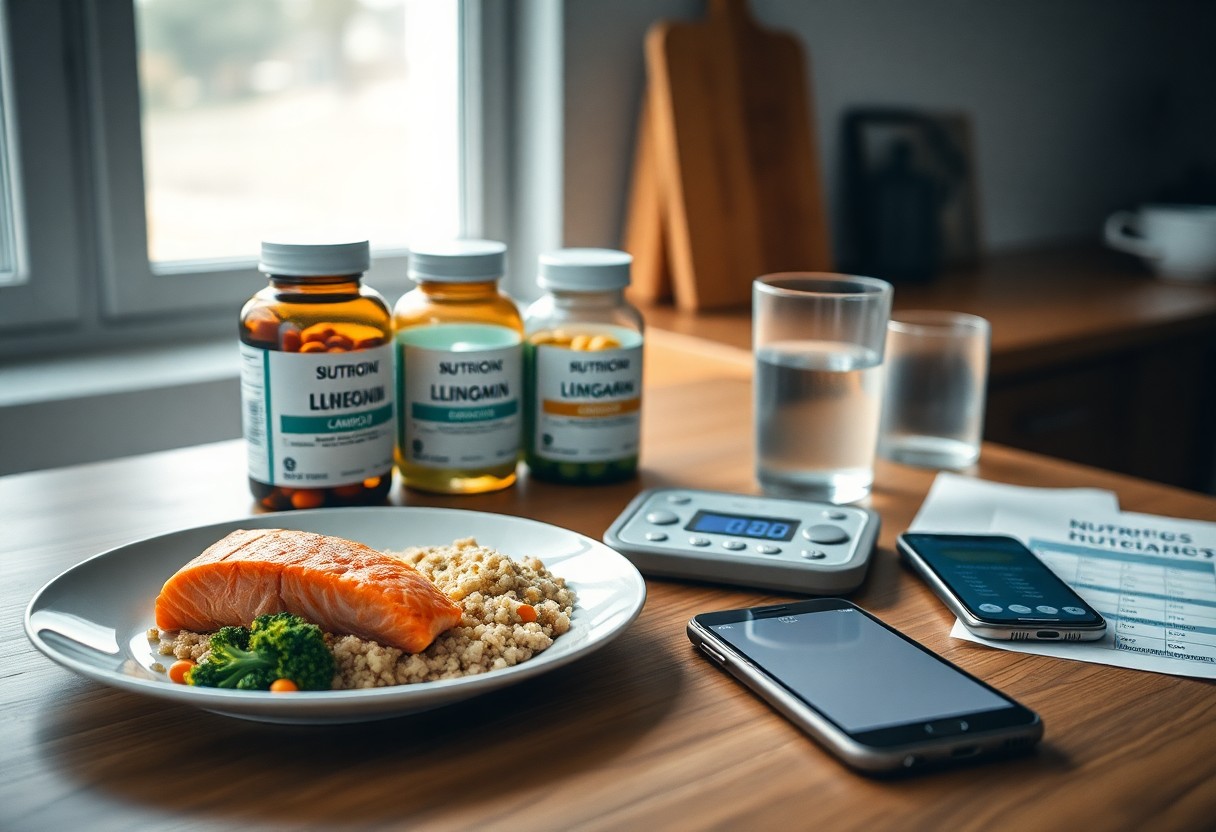
There’s a smart way for you to combine diet changes with supplements that maximizes benefits for your health while minimizing risks: get baseline testing and consult a qualified provider, phase in one change at a time, and track symptoms and labs. Avoid high-dose overlaps and interactions with medications, and use supplements to support, not replace, whole foods; with this approach you can achieve safer, faster correction of deficiencies.
Understanding Dietary Changes
Before you alter your eating pattern, assess how changes affect your energy, mood and medical conditions; small steps help prevent nutrient deficiencies and unwanted side effects, and let you pair supplements safely with meals to maximize benefits.
Types of Diet Changes
By testing one change at a time you can observe how your body reacts and adjust supplement timing; Thou choose approaches that match your goals and monitor for interactions or deficiencies.
- Low-carb
- Plant-based
- Intermittent fasting
- Calorie reduction
- Elimination diets
| Change | Consideration |
| Low-carb | Watch electrolytes |
| Plant-based | Ensure iron & B12 |
| Intermittent fasting | Time supplements to meals |
| Elimination | Reintroduce slowly to spot reactions |
| Calorie cut | Prioritize nutrient-dense foods |
Importance of Nutritional Balance
At every shift you make, balance macronutrients and key micronutrients so your body gets fuel and recovery support; this reduces risk of deficiency and minimizes harmful interactions with supplements.
Even when using supplements, you must aim for whole-food sources first, monitor signs of toxicity or excess, and use supplements to fill gaps while tracking how your body responds to changes.
Overview of Supplements
If you change your diet, supplements can provide improved nutrient intake and targeted support, but they may cause drug interactions or harm from excess dosing, so you should align choices with your goals and medical history and consult a clinician before combining products.
Common Types of Supplements
On most plans you’ll encounter categories that support energy, recovery, digestion, and micronutrient balance. Perceiving which type complements your meals helps you avoid overlap and harmful overdosing.
| Protein Powder | Supports muscle recovery and satiety |
| Multivitamin | Broad micronutrient insurance for gaps |
| Omega-3 (Fish Oil) | Anti-inflammatory and heart support |
| Probiotics | Supports gut flora and digestion |
| Vitamin D | Bone health and immune function |
- Protein – recovery, calories
- Multivitamins – baseline coverage
- Omega-3 – inflammation control
- Probiotics – gut balance
- Vitamin D – deficiency correction
Benefits and Risks
The main benefits you gain are reduced deficiency and targeted performance or health support, while risks include interactions, contamination, and toxicity from excess dosing, so you should track dosages, sources, and effects.
Due to individual differences and medication use, you should review lab results and consult a provider; high doses of fat‑soluble vitamins or some herbs can cause liver damage or severe interactions, whereas appropriate, supervised use delivers immune support and corrects nutrient shortfalls.
Interactions Between Diet and Supplements
Assuming you modify food intake while adding supplements, expect shifts in nutrient actions and medication effects; fat-soluble vitamins need dietary fat to absorb, some botanicals can cause dangerous drug interactions, and overlapping supplements may lead to excess doses if you don’t adjust food and timing appropriately.
Potential Interactions
Above all, watch how supplements and foods change each other: iron absorption is reduced by calcium, St. John’s wort can lower prescription drug levels causing harmful treatment failures, and high-dose vitamin therapies can amplify medication side effects, so you must check interactions with your clinician or pharmacist.
Enhancing Nutritional Absorption
Across meals you can boost benefit by pairing nutrients: vitamin C markedly increases plant-based iron uptake, taking fat-soluble vitamins with meals improves absorption, and including whole foods supports sustained release and microbial synergy that enhances supplement effects.
It helps to time your doses: take iron with citrus and separate calcium or magnesium by a few hours, combine vitamin D and dietary fat for better absorption, avoid stacking similar micronutrients to prevent toxicity, and consult professionals to optimize your safety and efficacy.
Guidelines for Safe Combination
Unlike assuming supplements are always harmless, you must treat them like active agents that can affect medications, tests and conditions; check interactions, dosages and timing before combining changes to your diet. Keep a list of supplements and foods, avoid overlapping high‑dose nutrients, and stop if you experience severe side effects. Consult professionals, verify quality, and prioritize evidence‑based benefits over trends.
Consult with Healthcare Professionals
Below you should consult a qualified healthcare professional-physician, pharmacist or dietitian-before adding supplements, especially if you take prescription medications, have chronic conditions, are pregnant or breastfeeding, or plan surgery. Bring your medication and supplement list and ask about lab monitoring and potential dangerous interactions such as with blood thinners or diabetes drugs.
Start Slowly and Monitor
Above all, start with one supplement at a time and begin at a low dose so you can link any effects to that specific change. Track symptoms, energy, digestion and lab values, and give each change several weeks unless a severe reaction occurs. This controlled approach helps you identify both benefits and harms.
To monitor effectively, keep a dated log of doses, food intake and symptoms, check targeted labs at recommended intervals, and use consistent timing for supplements relative to meals and medications. Adjust dosing based on objective measures and professional advice; discontinue and seek care for severe allergic signs, chest pain, or signs of organ strain such as jaundice or dark urine.
Case Studies and Examples
Not all combinations are safe; these case studies show how your diet and supplements interacted, what monitoring was done, and the measurable outcomes you can use to guide your plan.
- 1. You on a keto plan + vitamin D 4,000 IU/day: 8 weeks, weight -6 kg, 25(OH)D ↑ from 40 to 75 ng/mL, no hypercalcemia – positive response.
- 2. You with calorie deficit + iron 65 mg/day: 12 weeks, Hb ↑ 1.2 g/dL, ferritin ↑ 30 ng/mL, reported constipation; adjust dosage.
- 3. You eating grapefruit regularly while taking a statin: 4 weeks, statin plasma ≈2.5×, myalgias – dangerous interaction, stop grapefruit.
- 4. You adding omega‑3 3 g/day plus low‑dose aspirin: 6 weeks, bleeding time ↑ 40%, bruising noted – monitor if on anticoagulants.
- 5. You combining fiber increase + probiotic: 10 weeks, weight -4 kg, improved stool scores and tolerance – positive gut effect.
Successful Combinations
Studies show you can pair modest diet shifts with targeted supplements to get measurable gains – typical results: weight -3-6%, Hb +≈1 g/dL, 25(OH)D +≈30 ng/mL – when you follow recommended dosage and periodic blood tests.
Mistakes to Avoid
At minimum you must avoid high‑dose supplements without testing, mixing agents that affect clotting, or neglecting drug-interaction risks; those errors produce the most serious harms.
Due to variable responses you should track symptoms, get baseline and follow‑up labs, lower or stop a supplement if levels exceed safe ranges or if you develop signs like severe GI upset, muscle pain, or abnormal bleeding, and consult your clinician for adjustments.
Resources and Tools
Once again you should rely on vetted apps, lab services, and professional networks to combine diet changes with supplements safely. Use evidence-based tracking apps, validated lab tests, and consult a licensed clinician before high-dose supplements; avoid self-prescribing that can cause harm. Prioritize tools that integrate with your medical records and offer clear data for decisions.
Tracking Progress
On your journey, log food, supplement doses, symptoms, and labs consistently to see what works. Use apps that export data and set alerts for interactions; flag any dangerous symptoms and share them with your provider immediately. Consistent tracking reveals positive trends and prevents unnoticed adverse effects.
Recommended Reading
Between reputable clinical reviews, government resources, and practice guidelines, choose sources that cite randomized trials and meta-analyses. Prioritize material authored by clinicians or researchers and avoid anecdotal blogs that may recommend risky combinations. Keep a shortlist of reliable references you can show your provider.
Recommended books and journals include clinical nutrition textbooks, guideline statements from national health agencies, and recent systematic reviews; you should also follow society statements on supplement safety. Use library access or institutional portals to avoid paywalls and verify conflicts of interest before adopting recommendations that could be harmful or beneficial.
Summing up
Now you should coordinate diet adjustments and supplements by assessing your needs, consulting a healthcare professional, tracking effects, and prioritizing whole foods; choose evidence-based supplements at recommended doses, watch for interactions, adjust based on tests or symptoms, and focus on sustainable changes to support long-term health.
Leave a Reply