

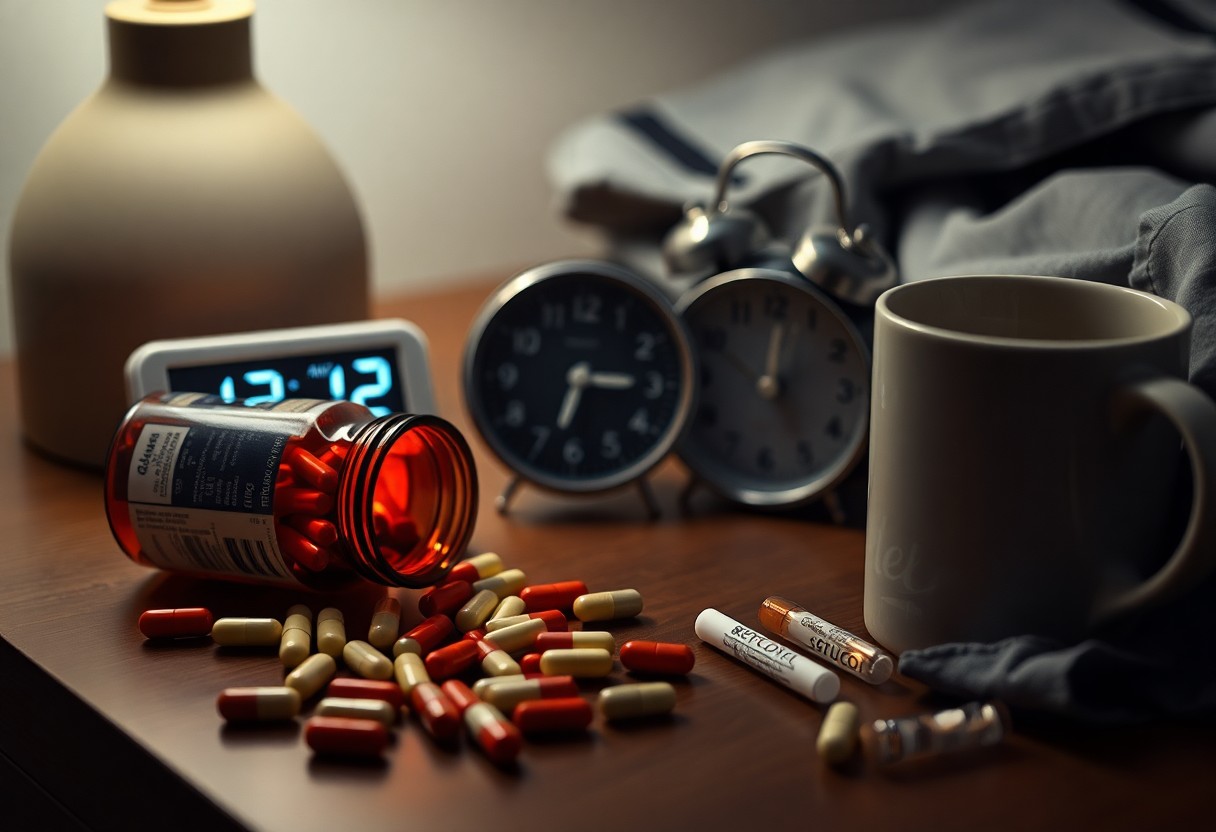
Just because you take supplements doesn’t mean they’ll work if chronic stress and sleep loss are undermining them; stress and sleep deprivation alter digestion, hormone balance and immune signaling, causing reduced absorption of nutrients and increased inflammation that can negate benefits. You should track stressors, prioritize sleep hygiene and address lifestyle factors so that improving sleep and lowering stress restores supplement effectiveness and protects your health investments.
Understanding Stress
While stress is a normal response that can mobilize you for short-term challenges, prolonged activation alters hormone balance, metabolism and immune function, which can reduce the effectiveness of supplements by impairing absorption and altering biochemical targets.
Physical and Psychological Effects
Around your body and mind, stress elevates cortisol and adrenaline, making you feel wired or fatigued, disrupting sleep, digestion and blood sugar, and changing how your body processes nutrients, so supplements may be less absorbed or less effective.
Chronic Stress and Its Implications
Among long-term consequences, chronic stress can cause immune suppression, persistent inflammation and hormonal imbalances that blunt how your supplements work and increase deficiency risk; this is dangerous because it can worsen health despite supplementation.
Also, chronic stress reshapes your gut microbiome, reduces gastric blood flow and alters liver metabolism, all of which lower nutrient absorption and change supplement pharmacokinetics; you may need adjusted timing, forms or doses, and addressing stress often produces the most positive gains for your supplement benefits.
The Role of Sleep in Health
Any sustained poor sleep undermines your body’s ability to use supplements and maintain health: during sleep your body performs immune repair, hormone balance, and memory consolidation, processes that amplify nutrient uptake and metabolic benefits; without adequate sleep you blunt these gains, reduce recovery, and increase susceptibility to illness.
Sleep Cycles and Restoration
To achieve full restoration you cycle through NREM and REM stages where deep NREM sleep repairs tissues and regulates hormones and REM consolidates learning and emotional processing; interrupting these cycles impairs recovery and reduces how effectively your body uses supplements.
Consequences of Sleep Deprivation
Any ongoing sleep loss raises inflammation and cortisol, disrupts glucose metabolism, weakens immunity, and lowers the effectiveness of vitamins, minerals, and adaptogens, so you get less benefit from what you take and face greater disease risk.
Considering continued sleep deprivation, your gut barrier and microbiome shift, insulin resistance increases, muscle protein synthesis falls, and medication and supplement absorption can be altered; addressing sleep improves nutrient bioavailability, recovery, and long-term resilience so your interventions work as intended.
How Stress Interferes with Supplement Absorption
Some stress spikes cortisol and sympathetic activity, which divert blood from your gut, change pH and motility, disrupt the microbiome, and increase intestinal permeability, all of which cause reduced absorption of many supplements and raise the risk of gut inflammation; managing stress can reverse these effects and improve supplement uptake so you get the benefits you expect.
Nutrient Utilization
With stress-driven cortisol and adrenaline surges, your body shifts toward catabolism, speeding the depletion of B vitamins, vitamin C and magnesium that many supplements aim to restore, producing rapid nutrient depletion and less effective dosing unless you address stress or use targeted supplementation patterns aligned with your physiology.
Metabolic Changes
An elevated cortisol state changes liver enzyme activity and insulin signaling, altering how your body metabolizes and activates supplements-this can cause altered metabolism that reduces potency or increases side effects; paying attention to formulation, dose and timing helps preserve effectiveness.
In fact, cortisol-driven shifts increase gluconeogenesis, mobilize amino acids, and modulate cytochrome P450 enzymes in your liver, which can lead to accelerated breakdown of some vitamins and altered activation of prodrugs; combining stress management with personalized dosing and appropriate supplement forms restores expected benefits.
The Impact of Poor Sleep on Supplement Effectiveness
Once again poor sleep can seriously reduce how well your supplements work by disrupting digestion, circulation, and cellular repair cycles that help nutrients be absorbed and used; when you sleep poorly, you experience reduced absorption, altered liver metabolism, and hormonal shifts that together lower supplement potency and blunt recovery.
Hormonal Imbalance
Hormonal sleep disruption changes how your supplements act: elevated cortisol from sleep loss opposes insulin and nutrient uptake, while reduced growth hormone impairs tissue repair-this means supplements aimed at recovery, muscle building, or metabolic support can be far less effective for you.
Immune Function and Healing
Supplement poor sleep weakens immune responses and slows healing because you produce fewer restorative cytokines and immune cells during sleep; as a result, supplements like vitamin C, zinc, and probiotics may offer reduced protection when your sleep is insufficient.
At the physiological level, poor sleep drives increased inflammation, impairs gut barrier function, and alters the microbiome and liver enzymes, all of which lower nutrient bioavailability and make it harder for your supplements to deliver positive, therapeutic effects.
Strategies to Manage Stress
Many times your supplements underperform because chronic stress and poor sleep trigger hormonal and inflammatory shifts that impair absorption; you should prioritize sleep, targeted stress reduction, consistent supplement timing, and medical review so your regimen supports health rather than being undermined by elevated cortisol.
Mindfulness and Relaxation Techniques
Behind simple practices like diaphragmatic breathing, short meditation, or progressive muscle relaxation you can lower cortisol spikes, calm digestion, and improve how your body uses nutrients; if you commit a few minutes daily you reduce the impact of acute stress on supplement effectiveness.
Physical Activity and Lifestyle Changes
Stress often intensifies when you’re inactive, so adding regular movement, balanced meals, and cutting back on stimulants helps normalize hormones and gut function, making supplements more effective; focus on consistent moderate exercise and sleep hygiene to reduce inflammation and enhance nutrient uptake.
In fact, when you combine resistance training, aerobic activity, and adequate recovery you increase circulation and insulin sensitivity, which improves delivery and cellular uptake of vitamins and minerals; even 30 minutes most days produces a measurable improvement in supplement response and lowers the risk that stress will negate your efforts.
Enhancing Sleep Quality
All improvements to your sleep increase how well supplements work by improving absorption, hormone balance and recovery; when you reduce stress and prioritize rest you support metabolic and immune pathways that supplements target. Make consistent sleep duration and stress reduction primary goals to protect supplement benefits and avoid wasted doses.
Sleep Hygiene Practices
For better sleep hygiene, set a fixed bedtime and wake time, limit screens 60-90 minutes before bed, avoid late caffeine and alcohol, and use relaxation rituals. If you make consistency and a tech curfew nonnegotiable, your supplements will have a stronger physiological foundation to work from.
Importance of Sleep Environment
One key factor is your sleep environment: keep the room dark, quiet, and cool, choose supportive bedding, and control allergies that disrupt rest. Minimizing nighttime light and noise is most important, while exposure to warmth or light is dangerous for sleep-dependent supplement effects.
It helps you to install blackout curtains, use a fan or white noise, maintain 60-67°F (15-19°C) if possible, and keep electronics out of the bedroom. Prioritize darkness, cool temperature and clean air so your body can optimize recovery, hormone balance and supplement absorption.
To wrap up
Considering all points, stress and poor sleep can undermine your supplements by disrupting digestion, absorption and metabolism, elevating cortisol and inflammation, impairing immune and hormonal balance, and driving behaviors such as missed doses or poor diet, so improving sleep and stress management optimizes their effects.
Leave a Reply