

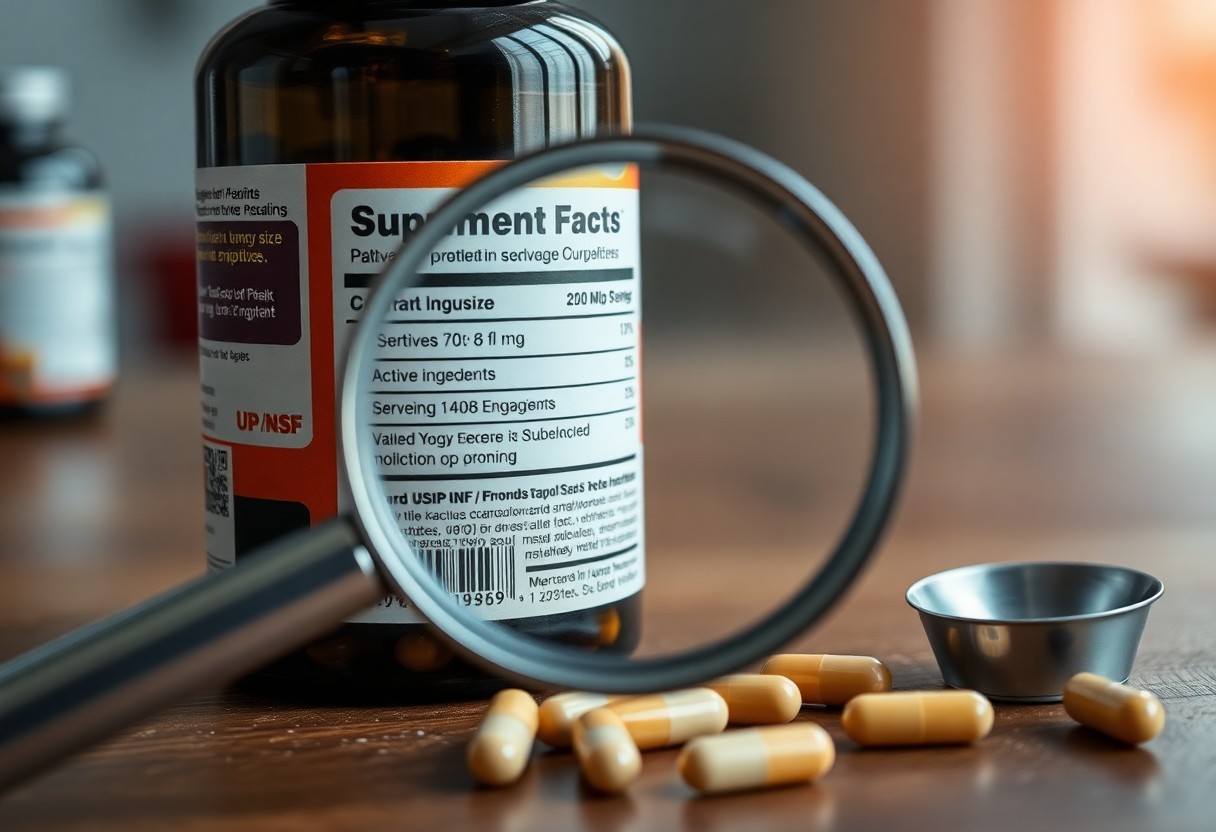
It’s important that you inspect a supplement label to protect your health and make informed choices: check the serving size and dosage, list of active ingredients and their amounts, potential allergens or contaminants, any listed drug interactions, the expiration date, and whether the product has third-party testing or certification, and follow directions to avoid overdosing or unsafe combinations.
Understanding Supplement Labels
While reading labels you should verify the serving size, list of active ingredients with dosages, expiration date, and any allergen or warning statements; check for third-party testing seals and manufacturer contact info so you can assess safety, quality, and potential interactions with medications before you take the product.
The Importance of Serving Size
To interpret what you actually ingest, compare the serving size to the amount of each nutrient per serving; if you take multiple servings, multiply dosages to avoid exceeding recommended amounts and to account for extra calories or stimulants-adjust your use based on your needs and any medical restrictions.
Active Ingredients and Their Dosages
Above all, scrutinize the listed dosages, units (mg, IU), and whether ingredients are in a proprietary blend that hides exact amounts; you should compare amounts to evidence-based ranges and watch for high doses that could cause adverse effects or interact with your medications.
Further, verify each active ingredient against established safe upper limits, check for clinical evidence of benefit, be cautious if you are pregnant or nursing or have a chronic condition, and consult a healthcare professional or pharmacist if you have concerns about drug interactions or cumulative dosing from multiple supplements.
Identifying Fillers and Additives
The label often hides inactive ingredients that affect absorption and safety; you should scan for fillers, binders and artificial dyes that add bulk or mask poor formulations, and prefer products with minimal, transparent ingredient lists and third‑party testing disclosed.
Common Fillers to Avoid
Common filler ingredients can dilute potency or trigger reactions – watch for magnesium stearate, maltodextrin, sodium benzoate, titanium dioxide and artificial colors; you should avoid long lists of inactive additives and choose products that list active dosages per serving.
Allergens and Sensitivities
After checking fillers, you should scan for allergens and cross‑contact warnings; gluten, soy, dairy, tree nuts and shellfish are common hidden risks, so watch “may contain” statements, shared‑line notes, and vague ingredients like “natural flavors” that can mask sources.
The safest approach is to contact the manufacturer about ingredient origin, select labeled hypoallergenic or free‑from formulations, and rely on third‑party allergen testing when you have severe sensitivities; keep emergency measures ready if you react.
Checking for Certifications and Quality Seals
Assuming you scan a supplement label for seals, check for authentic seals from recognized bodies (USP, NSF, Informed-Sport) and confirm they link to independent verification; seals can indicate testing for potency and contaminants, while misleading or counterfeit marks may mask poor quality, so you should verify the issuing organization and batch-specific documentation before trusting a product for your health.
GMP Certifications
With GMP certifications, you should confirm the manufacturer follows Good Manufacturing Practices, meaning documented processes, lot tracking and sanitation controls that reduce contamination risk; a GMP mark signals the facility is audited, but you should still seek product-specific testing because certification alone doesn’t guarantee every batch meets your safety and potency expectations.
Third-Party Testing Indicators
Any third-party testing indicator-logos, QR codes, or Certificate of Analysis (COA) links-means you can often verify independent lab results for potency and absence of heavy metals, microbes or banned substances, so you should use those markers to assess whether the product meets claimed standards before consuming it.
At the verification step, inspect the COA for the lab name, test date, batch number and measured levels for active ingredients and contaminants; prioritize products with publicly accessible COAs from accredited, independent labs and contact the manufacturer if batch details or testing parameters are missing to ensure your safety.
Expiration Dates and Storage Instructions
Now check the printed expiration or “use by” date before consuming any supplement; if it’s past that date discard it since potency can fade and some products may become unsafe. Your label will also note specific storage instructions-follow them to preserve efficacy. If in doubt, contact the manufacturer or your pharmacist for guidance.
Understanding Shelf Life
Around different product types have widely varying shelf lives: minerals and vitamins in dry form often remain stable for years, while probiotics, fish oil, and botanical extracts lose potency faster. Look for expiration vs. best-by info and the lot code on your label; if the label lacks a date, treat the product as potentially degraded after a reasonable period and seek clarity.
Proper Storage Practices
Between heat, humidity, and light, environmental factors accelerate breakdown-store your supplements in their original, tightly sealed containers and keep them in a cool, dry place away from direct sunlight. Follow any instruction to refrigerate or avoid freezing, and keep bottles out of bathrooms and near-stove areas to reduce exposure to moisture and heat.
At the least, keep your supplements in a cabinet or pantry at consistent room temperature, use desiccant packs where included, and reseal lids immediately after use; transferring powders or liquids to other containers can increase contamination risk. For sensitive items like probiotics, fish oil, or liquid herbs, follow cold-chain instructions-proper storage can preserve potency while improper handling may cause spoilage or harmful degradation.
Manufacturer Information
Keep your focus on the manufacturer’s name, address and contact details so you can verify origin and report problems; manufacturer’s name and contact info allow traceability, while listed batch/lot numbers and any recall or warning statements signal safety issues. Check for third-party certifications (NSF, USP, GMP) and the country of manufacture to assess quality before you consume.
Researching the Brand
One efficient step is to check the company’s reputation, ownership and transparency; you want published testing reports, clear ingredient sourcing, and responsive customer service. Seek evidence of independent third-party testing, available Certificates of Analysis, and an absence of past recalls or safety violations so you can trust the product’s claims.
Reading Customer Reviews
The most useful reviews are recent, detailed accounts that mention batch numbers, side effects and outcomes; you should prioritize verified purchases and professional reports. Pay attention to repeating mentions of adverse reactions, contamination or counterfeit claims as danger signals, and consistent notes of efficacy as positive signals.
Hence filter reviews by date and verified status, compare experiences across retailers and specialized forums, and be skeptical of extreme clusters; patterns of similar complaints about taste, stomach upset, or adverse reactions are more informative than single outliers. Cross-check with official recall pages and independent lab reports to confirm any safety concerns or reliable benefits.
Consulting with Healthcare Professionals
Despite common marketing claims, you should discuss supplements with a healthcare professional before taking them. Tell your clinician about all supplements, medications, allergies, and pregnancy intentions so they can assess drug interactions, contraindications, and true benefits. This protects you from harmful side effects and ensures supplements fit your medical needs.
Importance of Professional Advice
The best guidance comes from someone who knows your history: your doctor, pharmacist, or dietitian. They can verify product quality, test for deficiencies, adjust medical treatments, and advise safe dosage ranges. Consult immediately if you take prescription meds or have chronic conditions to avoid dangerous interactions.
Integrating Supplements Into Your Health Plan
On coordinating supplements with lifestyle and therapy, work with your provider to set goals, timing, and monitoring. You should track effects, lab markers, and side effects so adjustments are evidence-based; prioritize supplements with proven efficacy and high-quality manufacturing.
Importance of documenting every supplement, dosing schedule, and brand so your provider can assess quality and avoid interactions; you should schedule follow-ups and labs to measure outcomes and stop ineffective or unsafe products promptly.
Final Words
As a reminder you should check the active ingredients, exact dosages and serving size, percent daily values, potential allergens and additives, expiration date and storage instructions, manufacturer and lot number, third-party testing seals, warnings and contraindications, and interactions with medications or conditions; if anything is unclear, consult your healthcare provider before taking it.
Leave a Reply